Acoustics in the Education Sector

Acoustic performance is critical to learning outcomes, student wellbeing, and academic reputation in educational facilities. Focus Acoustics provides specialist education acoustics consultancy in Dubai and the Middle East to help universities, schools, and educational institutions manage acoustic risk from design through to delivery.

Why Education Acoustics Matters

Poor acoustic design in educational buildings undermines teaching and learning. 

  • Noise from traffic, building services systems, adjacent spaces, and external construction affects student concentration, compromises academic outcomes, and creates operational restrictions that limit facility use.
  • When education acoustics is considered late, the cost of remediation is high and the solution is often disruptive to occupancy. A noisy lecture hall or poorly isolated student residence room reflects design failure, not operational failure.
  • Acoustic performance is also increasingly subject to regulatory oversight across the Middle East. Building codes and institutional standards now specify minimum acoustic performance for teaching spaces, learning environments, and student accommodation.

The challenge we solve

Education buildings present competing acoustic demands:

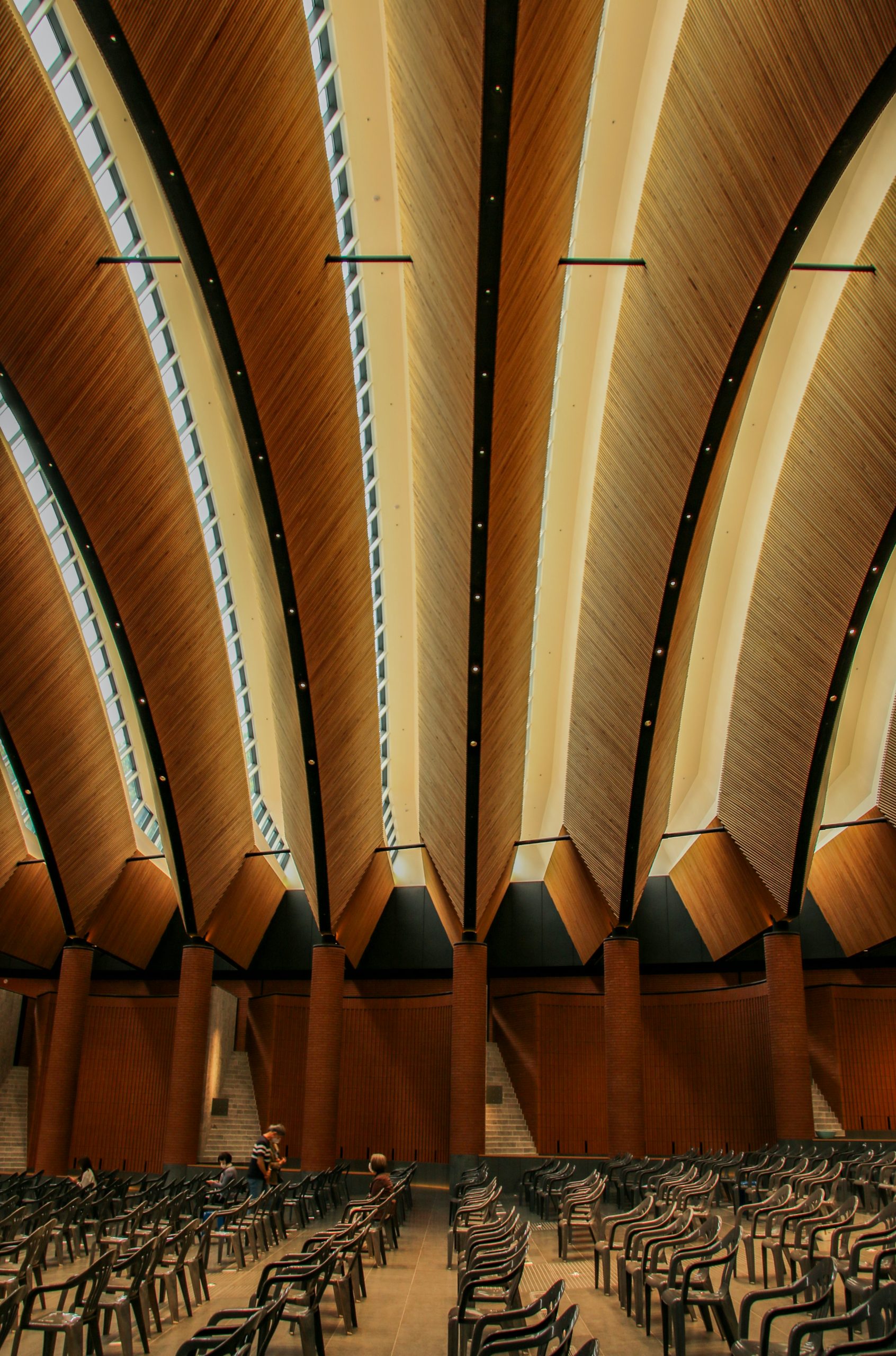
  • Teaching and learning spaces require both sound insulation from external noise and optimised internal acoustics
  • Residential accomodation must isolate students from recreation areas, dining facilities, and building services
  • Building services systems (ventilation, cooling, mechanical infrastructure) often generate noise that undermines learning environments
  • Layout and adjacency decisions that seem logical from a spatial planning perspective create acoustic conflicts
  • Budget constraints leave limited room for acoustic remediation later

These challenges typically emerge late in design, when programme pressure is highest and options are most expensive.
Our Role Within the Design Team

We work alongside architects, interior designers, and engineers to embed acoustic performance into design intent before layouts, adjacencies, and finishes are fixed. Our advice is practical, coordinated, and aligned with programme and budget constraints. We focus on:

  • Early identification of acoustic risk; adjacencies between teaching and residential spaces, plant room locations, external noise sources

  • Clear acoustic performance criteria aligned with institutional needs and regulatory requirements

  • Coordination across architecture, interiors, MEP, and structure to prevent late surprises

  • Supporting design decisions with quantified technical advice that remains feasible through value engineering

Typical Education Spaces We Assess

  • Teaching and Learning Spaces

    • Lecture halls and seminar rooms

    • Classrooms and tutorial spaces

    • Tutorial areas and breakout learning spaces

    • Research laboratories and specialist teaching facilities

  • Student Accommodation

    • Residential halls and student housing blocks

    • Common rooms and social spaces

    • Laundry and utility areas

  • Institutional Facilities

    • Libraries and quiet study zones

    • Dining halls and food courts

    • Recreation facilities, sports halls, and gyms

    • Administration and faculty offices

    • Plant rooms and mechanical interfaces

  • Campus Infrastructure

    • External gathering spaces and courtyards

    • Parking areas and vehicle access points

When Acoustic Input Adds Most Value

Education projects benefit most from acoustic input during Concept and Schematic Design, before layouts, adjacencies, and structural strategy are committed. At these stages:

  • Layout decisions can still be influenced by acoustic considerations
  • Building services strategy is forming – the right time to flag plant room locations and mechanical strategy
  • Structural build-up and façade concepts are emerging – acoustic performance can inform these choices

However, we can also provide valuable input from Pre-Concept stages, especially on environmental noise constraints and site suitability assessments.

Early engagement reduces the risk of acoustic complaints post-handover, operational restrictions on facility use, and the cost of acoustic remediation.

Services We Provide to Education Projects

  • Architectural Acoustics
    • Architectural acoustics consultancy shapes the acoustic performance of education buildings through layout, orientation, adjacency planning, and material selection. We work with architects to assess room acoustics, sound insulation requirements, and façade performance before design decisions are locked.
  • Building Services Noise & Vibration
    • Noise from ventilation, cooling, and mechanical systems is one of the most common causes of acoustic complaints in educational buildings. We help MEP engineers and architects coordinate building services noise and vibration control through plant selection, location, and isolation strategies.
  • Environmental Noise & Planning
    • Educational facilities are sensitive to external noise sources – traffic, surrounding construction, industrial activity, and airport operations. Environmental noise assessments help confirm site suitability and inform building placement and façade strategy. This input is especially valuable at Pre-Concept stages, before campus layout is committed.
  • Acoustic Testing & Verification
    • Once built, acoustic performance must be verified. Acoustic testing and commissioning confirms that teaching spaces meet speech intelligibility standards, student rooms achieve required sound insulation, and building services operate within acceptable noise limits. Verification also supports handover and occupant assurance.
  • Construction Support & Delivery
    • Acoustic coordination continues through design and construction. Construction stage acoustic services support helps contractors understand acoustic requirements, flags construction methods that may compromise performance, and supports close-out and defects resolution.

Middle East Education Landscape

We support educational developments across the UAE, Saudi Arabia, and Qatar. Acoustic performance in education buildings is shaped by:

  • Dense urban contexts and proximity to traffic noise
  • High student occupancy densities in residential accommodation
  • Tightening regulatory standards for noise control in teaching spaces
  • Strong institutional expectations for academic quality and residential comfort
  • Budget pressures that require acoustic solutions balancing performance with cost and constructability

Who We Typically Support

  • Architects and design teams leading education projects
  • Engineering consultancies coordinating multi-disciplinary design
  • Developers and institutions responsible for educational facilities
  • Project managers seeking early clarity on acoustic risk

Discuss your Education project

An initial conversation can help clarify acoustic risk, understand your acoustic priorities, and confirm the right strategy for your campus, school, or educational facility.