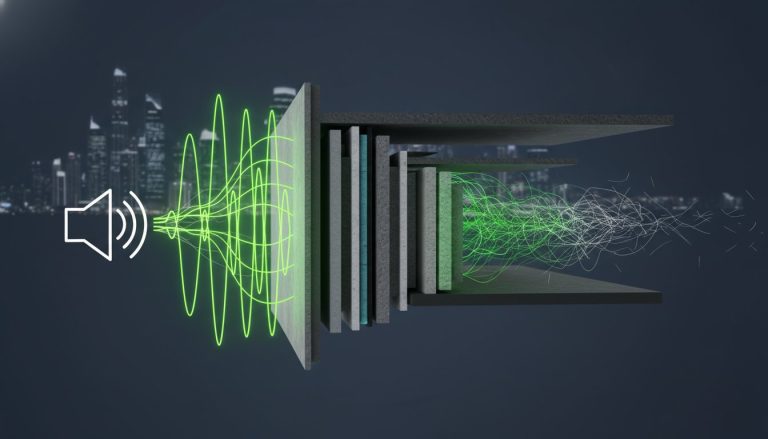
A question to Contractors! Apart from Design stage input for Design and Build projects, where can expert acoustic consultancy support your construction project to minimise risk and add value?
This article delves into the ‘when’ and ‘how’.
In many construction projects, acoustic consultants are still brought in late, often as an afterthought, or only when a problem arises. But when integrated at the right stages, an acoustic consultant can provide significant value to contractors, helping avoid costly issues, ensuring compliance, and supporting smooth project delivery.
This article outlines the key ways acoustic consultants contribute throughout a contractor’s project timeline, whether it’s a traditional procurement route or a design-and-build contract.

1. Tender Stage: De-risking the Bid
For contractors bidding on projects with defined acoustic performance requirements, early engagement with an acoustic consultant can help clarify scope, resolve ambiguities in the documents, and identify potential risks or opportunities for value engineering.
On design-and-build (D&B) contracts, where performance outcomes are often defined but design responsibility sits with the contractor, acoustic input at the tender stage can help validate your proposed approach and ensure that your submission is both compliant and deliverable.
Even in traditional contracts, understanding the acoustic scope can help identify areas where responsibility may need to be negotiated or flagged as a risk.
The outcome of well-timed expert advice leads to tenders that are more accurate and risks are highlighted to the tender team even before the bid is closed.

2. IFC Pack and Construction Documentation Review
Once a project moves to the construction phase, the IFC (Issued for Contract) documentation becomes the basis for delivery. Acoustic consultants can review these documents to check:
– All acoustic criteria are clearly defined, realistic and relevant
– Specifications are aligned between disciplines. Often the acoustic report (if there is one!) is not coordinated with Architectural, Interior Design and MEP packages
– Proposed designs are feasible to build.
In D&B projects, this is especially important, design responsibility for performance targets often lies with the contractor, and gaps in documentation can become liabilities later. An acoustic consultant can help ensure that the designs and product selections meet specification without over-designing.

3. Construction Supervision: Getting It Built Right
On-site implementation of acoustic treatments is often more complex than it appears on paper. Acoustic consultants can assist during construction by:
– Verifying installations through site inspections.
– Resolving conflicts between acoustic requirements and other disciplines.
– Providing practical alternatives when buildability issues arise.
Construction teams are already managing a wide range of interfaces. Having an acoustic consultant on hand who understands the site environment and can provide clear, actionable advice helps avoid rework or non-compliance.
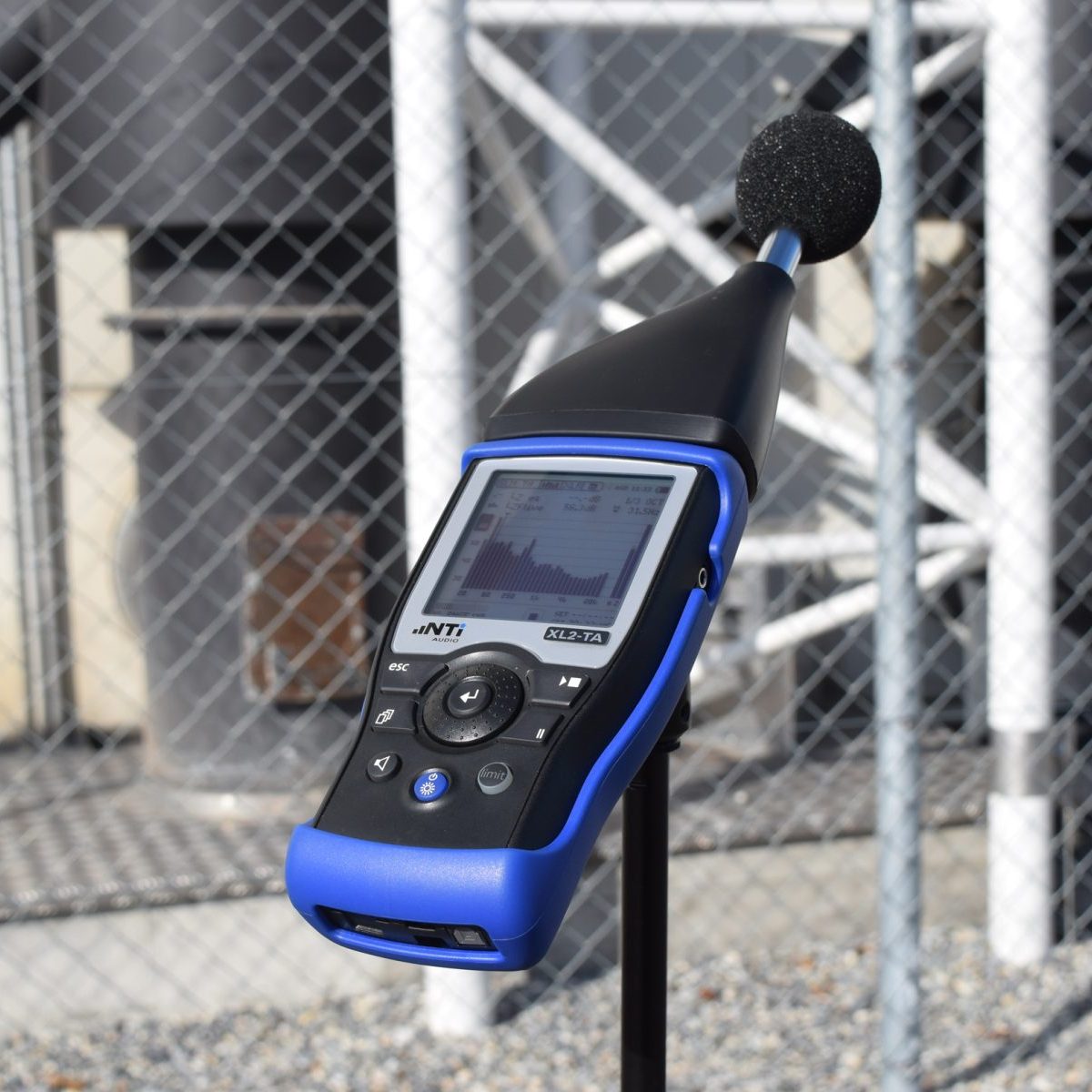
4. Commissioning: Testing What’s Built
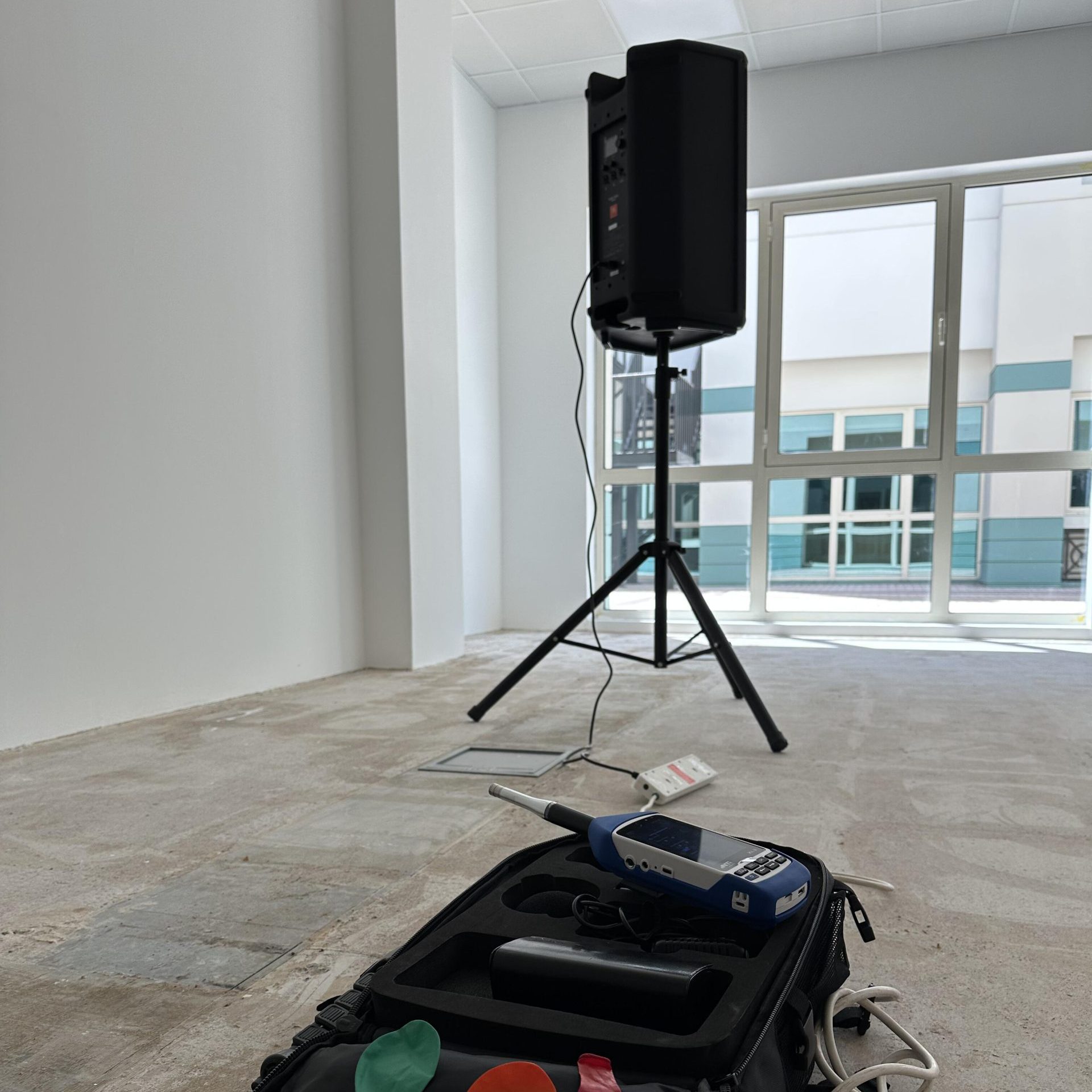
As handover approaches, testing the acoustic performance of completed spaces becomes critical, especially for projects with contractual acoustic performance criteria.
An acoustic consultant can carry out a range of tests to verify compliance, including:
– Sound insulation testing (airborne and impact) between rooms and spaces.
– Noise measurements from building services systems like HVAC and MEP equipment.
– Reverberation time measurements to assess acoustic quality in spaces such as classrooms, auditoriums, or offices.
Identifying and resolving any performance shortfalls at this stage allows remediation to occur before final handover, reducing the risk of post-occupancy complaints or contractual disputes.
5. Defects Liability Period (DLP): Forensic Support if Issues Arise
Even with the best design and construction practices, unexpected issues can emerge once a space is occupied. During the DLP, acoustic consultants can assist contractors by investigating:
– Complaints of noise transfer or excessive background noise.
– Vibration or mechanical noise that wasn’t evident during commissioning.
– Spaces that don’t perform as expected (e.g., echoey rooms, privacy concerns).
Rather than taking a trial-and-error approach, acoustic consultants can diagnose issues quickly and suggest targeted, non-disruptive rectifications that help contractors close out projects successfully.
Design-and-Build vs Traditional Procurement: Different Pressures, Same Need for Acoustic Input
In design-and-build contracts, contractors carry the risk for achieving defined performance criteria, even though they may be working with evolving or incomplete designs. Acoustic consultants in this context act as performance gatekeepers, helping validate that design decisions meet the targets and flagging risk areas before they become disputes.
In traditional contractor procurement, where design is largely complete before contractor appointment, acoustic consultants are more often involved in verifying buildability and monitoring site works to ensure compliance. But they still provide critical value, especially if there are undocumented variations or product substitutions.
Final Thoughts
For contractors, acoustic consultants aren’t just spec-checkers, they’re risk managers, problem solvers, and performance testers. Whether it’s helping to win work, ensuring smooth delivery, or resolving issues after handover, their input can make a real difference in the quality and success of a project.
If you’re a contractor navigating projects with demanding acoustic requirements, especially in education, hospitality, healthcare, or commercial sectors, it’s worth involving an acoustic consultant earlier and more deliberately in your workflow.